


Inflation Reduction Act taxes share buybacks to fund public services
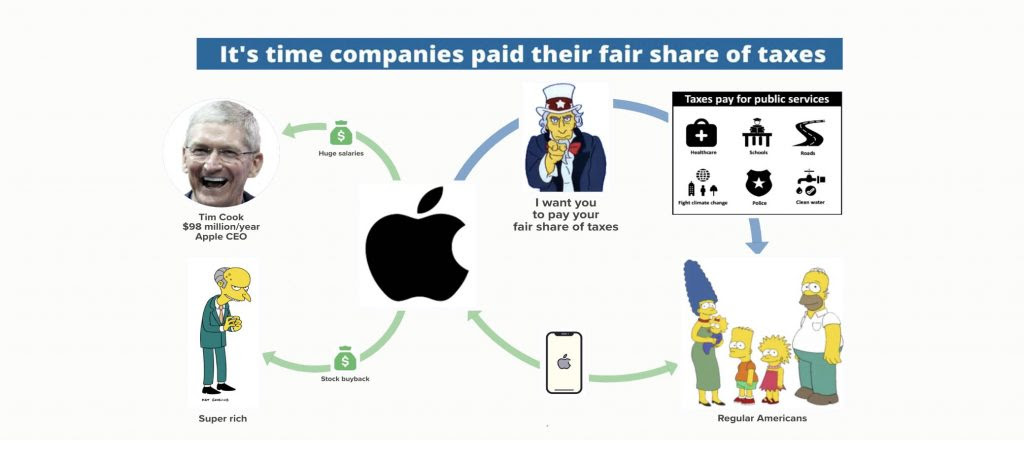
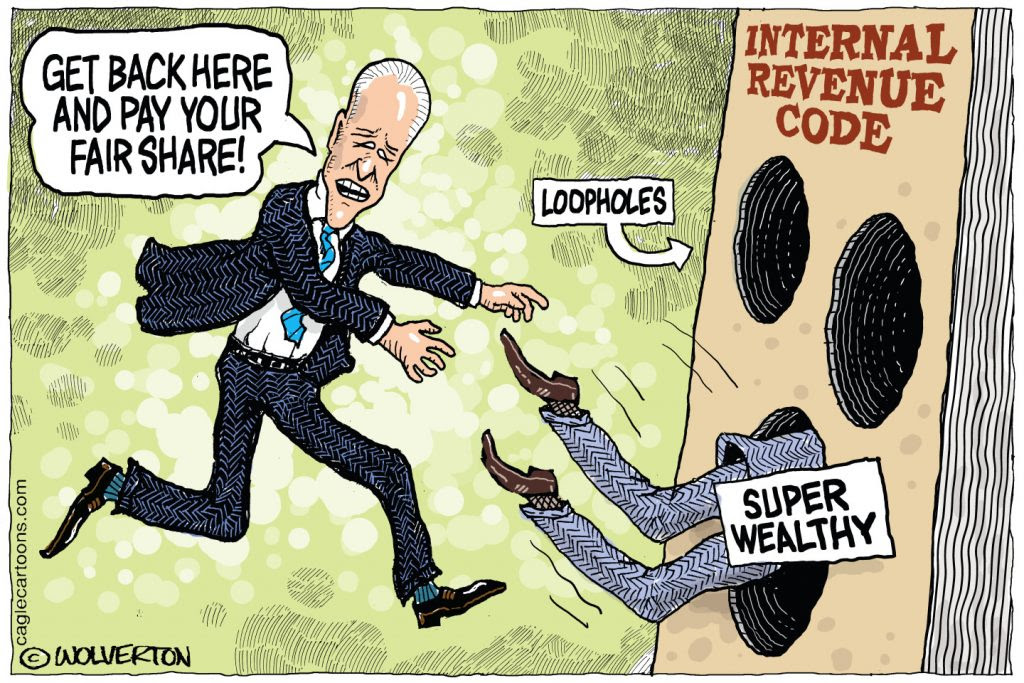
Corporate tax dodging reduces public services for everyone. The Inflation Reduction Act taxes corporate share buybacks to fix that loophole.
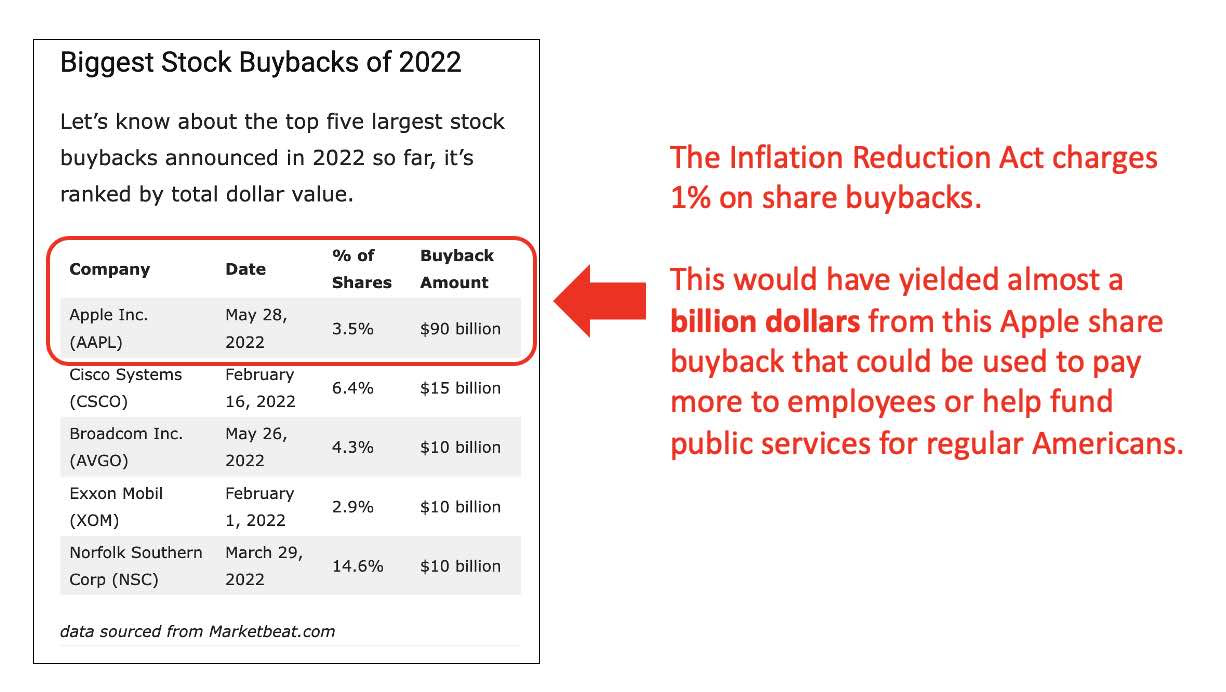
The Inflation Reduction Act charges companies a 1% excise tax on purchases of their own shares, effectively paying a penalty for a maneuver that they have long used to return cash to investors and bolster their stock price.
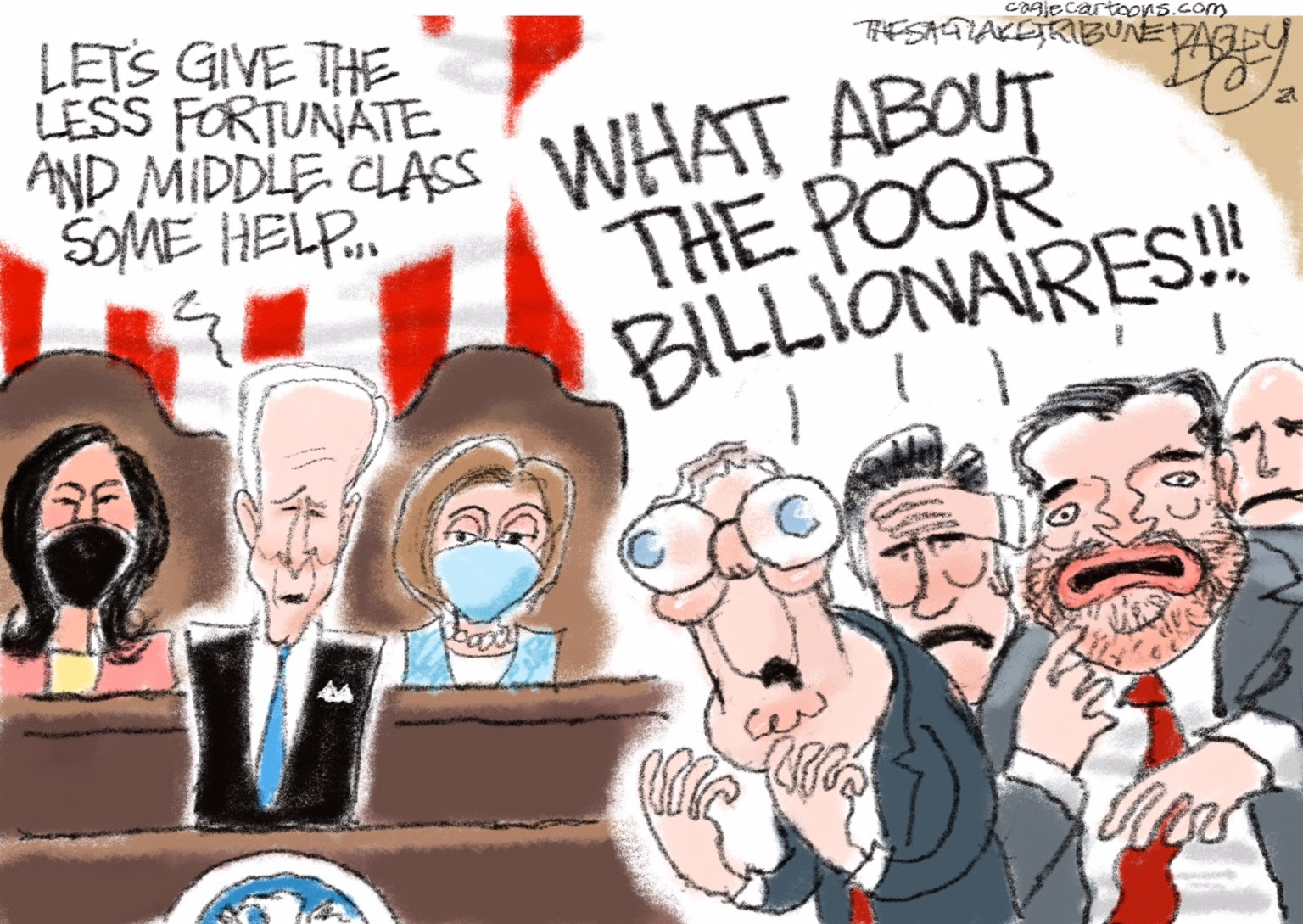
Buybacks have ballooned in recent years — they’re forecast to reach $1 trillion in 2022 — as companies have swelled with cash from sky-high profits. Investors, including pension and retirement funds, like the buybacks. Senators Elizabeth Warren and Bernie Sanders loathe buybacks, calling the practice “paper manipulation” to enrich senior executives and big shareholders. Democrats say that instead of returning cash to shareholders, big companies should use the money to increase employees’ wages or invest in the business. They are hoping the excise tax — it’s projected to bring the government an additional $74 billion in revenue over 10 years — will cause a major shift in corporate behavior.
Follow the money

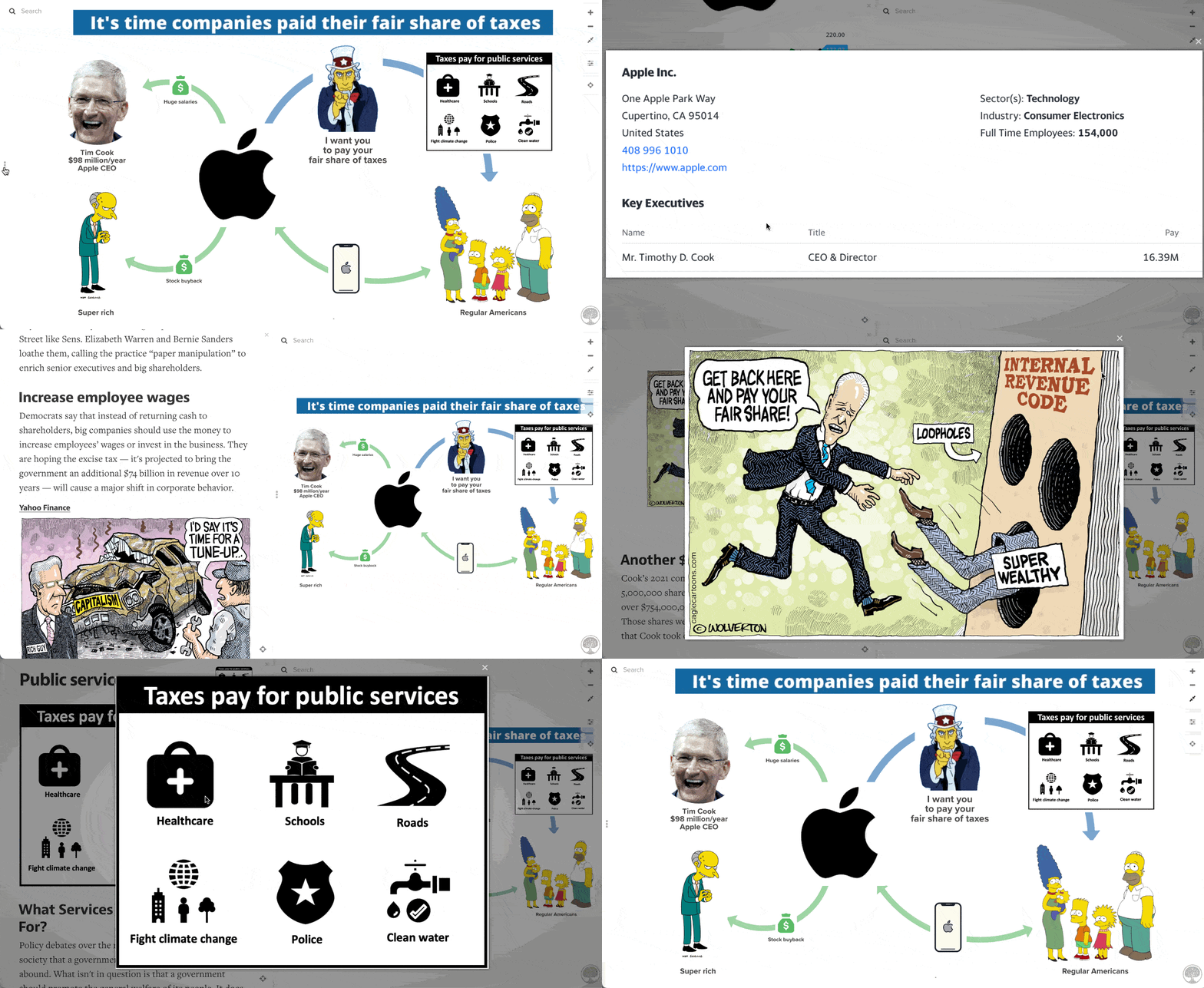
Tim Cook: Apple’s $98 million dollar CEO
Apple CEO Tim Cook received $98.73 million in compensation in the company’s fiscal 2021, according to an SEC filing. Here’s how Cook’s pay breaks down:
- $3 million in salary
- $12 million bonus for hitting Apple financial and environmental sustainability goals
- $1.39 million in other compensation, including $712,488 in personal air travel, $630,630 in security, a $17,400 contribution to his 401(k) plan, $2,964 in life insurance premiums, and $23,077 in vacation cash-out.
- $82.35 million in stock awards
Cook’s 2021 compensation does not officially include over 5,000,000 shares of Apple that vested in Aug. 2021, worth over $754,000,000 at the time, according to the filing. Those shares were granted back in 2011, around the time that Cook took over as CEO. In 2021, Cook’s compensation was 1,447 times the median Apple employee’s total compensation of $68,254. – CNBC
Apple reports record revenue of $83B
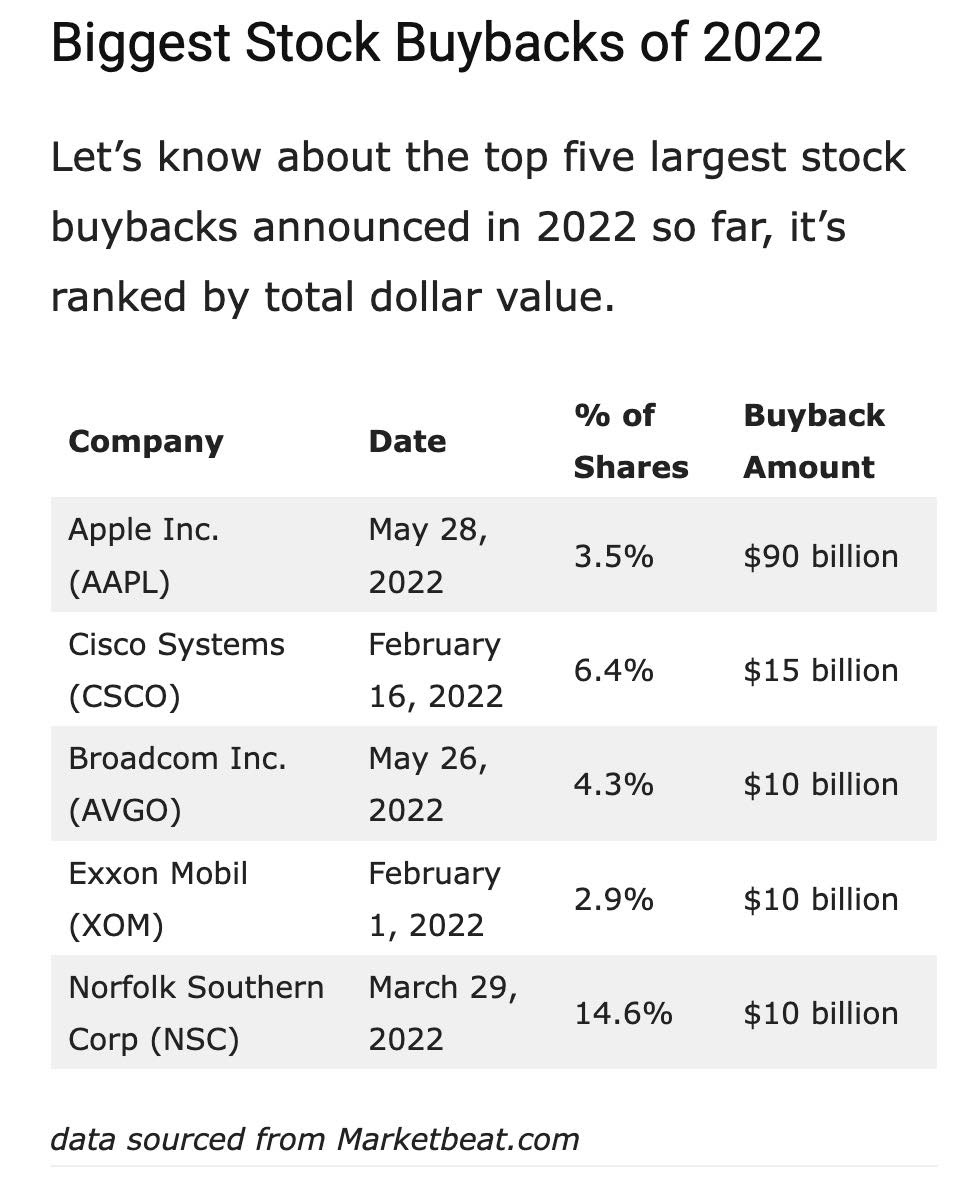
Apple is a trillion dollar corporation, with a billionaire CEO and $90 billion in share buybacks in 2022. A 1% tax on that buyback would have generated $900 million for healthcare, education and roads.
Apple (AAPL) released its Q3 earnings with record revenue of $83 billion despite fears of rising inflation. – Yahoo Finance
- Revenue: $83 billion
- Earnings per share: $1.20
- iPhone revenue: $40.7 billion
- iPad revenue: $7.22 billion
- Mac revenue: $7.4 billion
- Wearables revenue: $8.1 billion
- Services revenue: $19.6 billion
Biden’s IRA Targets a Corporate Tactic for Amassing Wealth and Avoiding Taxes
The IRA will impose a 1 percent tax on stock buybacks, a tactic used by corporations to increase their stock price. Buybacks continue to grow in popularity: In 2022, corporate America is projected to spend a record $1 trillion on them. Democrats accuse corporate executives of using buybacks to avoid taxes and to enrich themselves instead of better compensating their employees: a “sugar high for corporations” and a “tax scam to reward CEOs while laying off workers,” in the words of Massachusetts Sen. Elizabeth Warren.
A buyback is when companies purchase shares of their own company from investors, driving up the value of the remaining stock because there are fewer shares circulating. Buybacks are taxed at the lower capital gains rate, which maxes out at 20 percent for the wealthiest households. But for those investors who don’t sell their shares back to the company, there’s no tax—even though the value of their holdings has increased. Until that investor sells the asset, their wealth will grow tax-free. And thanks in part to a tax code loophole that enables the wealthy to pass shares on to their heirs, who can then skip paying capital gains taxes on them altogether, buybacks play a role in building untaxed generational wealth. – Mother Jones



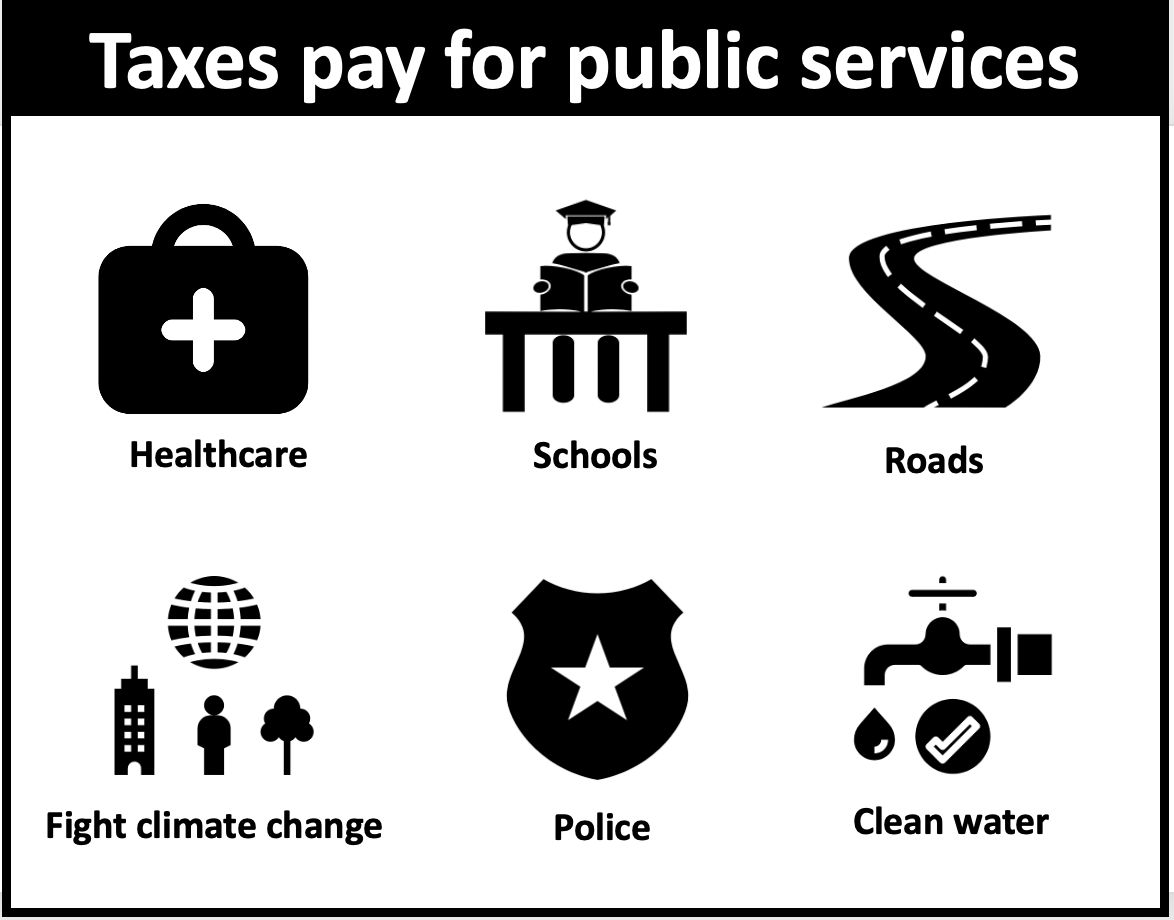
What Services Do Our Taxes Pay For?
Policy debates over the role of government and the kind of society that a government should stimulate and advocate abound. What isn’t in question is that a government should promote the general welfare of its people. It does so through the provision of services that are funded, in part, by taxes that are imposed by national, state, city and combined area taxes, as well as individual and corporate income taxes. What do our taxes pay for? Without the revenue stream made possible by taxes, the trajectory of the United States, from its origin to the 21st century, would be greatly different than it is today. Taxes pay for the overhaul of the country’s healthcare system, fund climate initiatives, such as clean energy and climate resilience, and finance the education of a country’s citizens. Taxes also finance immigration reform efforts, Medicaid services and more.
- Subsidize the Cost of Health Care – The Tax Policy Center reports that, in the fiscal year 2019, the federal government spent about $1.2 trillion to subsidize the cost of health care. Of this amount, Medicare was allotted approximately $644 billion, Medicaid and the Children’s Health Insurance Program (CHIP) received about $427 billion and about $80 billion funded veteran health plans.
- Finance Education – Education for all of America’s children, whether in kindergarten or the 12th grade, is provided free of charge due to its funding by taxes on property owners and the general taxes the government collects. The federal government contributes a large portion of public school funding – as much as 80 percent – with states relying on sales and income tax to fund the remaining 20 percent.
- Fund the Climate Change and Clean Energy Effort – The federal government spends billions of dollars to fund efforts to address issues related to climate change, such as funding clean-energy efforts. For instance, tax breaks support the installation of solar panels and other methods that improve the energy efficiency of buildings and vehicles, which companies and consumers implement. Other tax-supported efforts include financing the manufacture of wind turbines and other clean-energy equipment domestically.
- Cash for the Nation’s Infrastructure – Taxpayers provide money for the nation’s infrastructure. Taxes pay for the improvement of the nation’s transportation networks, its power and water systems as well as the provision of internet connections. Funds are also allocated to the country’s rail and public transit systems. For instance, the bipartisan $1.2 trillion law signed in 2021 allots hundreds of billions of dollars to projects, such as roads and bridges. – Sapling
TakeAway: Follow the money to see how the wealthy dodging taxes hurts everyone else.
Deepak
DemLabs
DISCLAIMER: ALTHOUGH THE DATA FOUND IN THIS BLOG AND INFOGRAPHIC HAS BEEN PRODUCED AND PROCESSED FROM SOURCES BELIEVED TO BE RELIABLE, NO WARRANTY EXPRESSED OR IMPLIED CAN BE MADE REGARDING THE ACCURACY, COMPLETENESS, LEGALITY OR RELIABILITY OF ANY SUCH INFORMATION. THIS DISCLAIMER APPLIES TO ANY USES OF THE INFORMATION WHETHER ISOLATED OR AGGREGATE USES THEREOF.



Reposted from Democracy Labs with permission.